
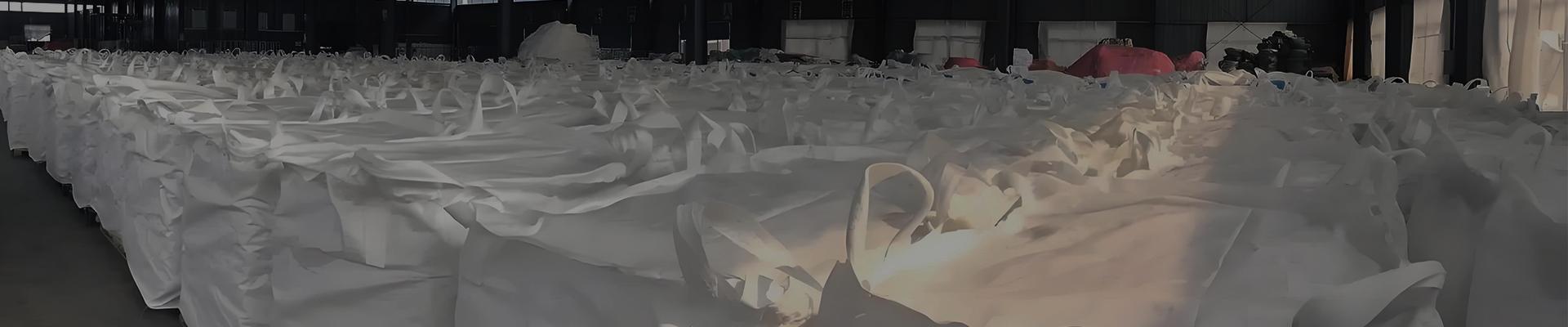
Global FIBC Market Projected to Reach USD 10.4 Billion by 2036, Driven by Safety Compliance and Circular Packaging
The global Flexible Intermediate Bulk Container (FIBC) market is entering a new phase of performance-driven expansion, with industrial supply chains increasingly prioritizing safety, sustainability, and cost optimization in bulk packaging.
According to market analysis, the FIBC market was valued at USD 6.9 billion in 2026 and is projected to reach USD 10.4 billion by 2036, growing at a compound annual growth rate of 4.20%. The Asia-Pacific region leads global demand, with China showing a robust 5.2% CAGR and India emerging as the fastest-growing market at 5.8% CAGR.
Key Drivers: Safety and Sustainability
Regulatory pressure is emerging as a defining force in the industry. The transportation of hazardous and combustible materials requires strict adherence to safety standards, particularly concerning electrostatic discharge and contamination control. Demand for Type C and Type D FIBCs—designed to dissipate static electricity—is accelerating, especially in chemical, petrochemical, and pharmaceutical applications.
Sustainability is equally transformative. Manufacturers are pivoting toward recycled polypropylene (rPP) and recycled PET materials, with "bottle-to-bag" recycling technologies unlocking new premium segments. The integration of circular economy models, including collection, cleaning, reconditioning, and reuse, is creating new revenue streams while enhancing environmental credentials.
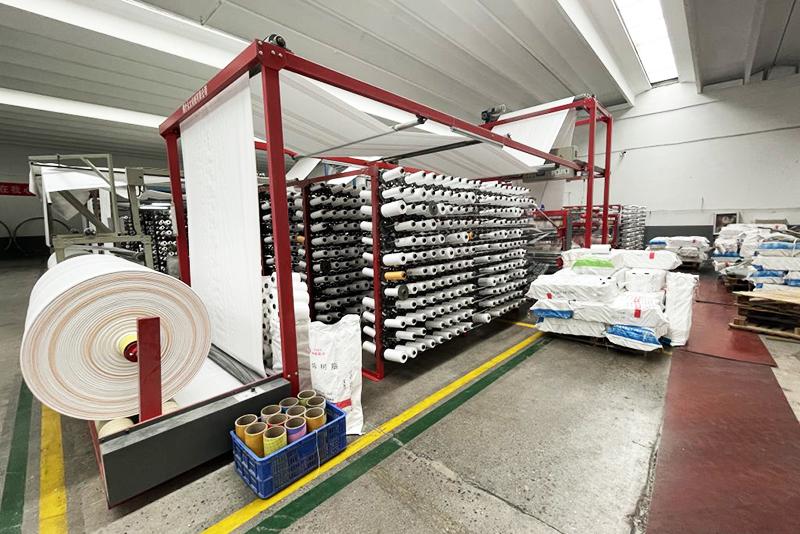
Construction and Chemicals Lead End-Use Demand
The construction sector accounts for the largest share of FIBC demand (32%), driven by cement, sand, and aggregate transport needs. Chemicals follow closely at 30% market share, serving the global movement of polymers, fertilizers, and specialty chemicals. The food and pharmaceutical segments are also rising due to stringent hygiene standards and cleanroom manufacturing requirements.
Leading manufacturers such as Greif Inc., Berry Global, Conitex Sonoco, and AmeriGlobe LLC are competing through product innovation, certification capabilities, and global distribution networks. Compliance with evolving UN packaging regulations and BRCGS packaging standards has become a key differentiator for market participants.
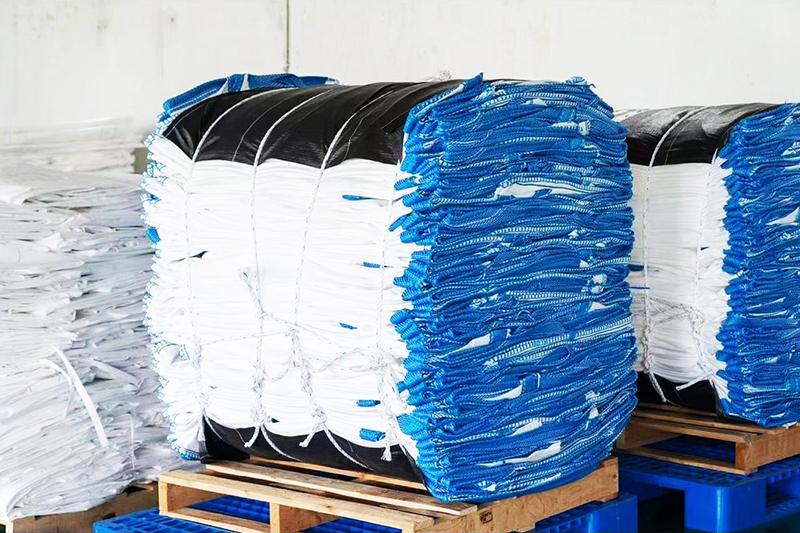 Essential Quality Tests for FI
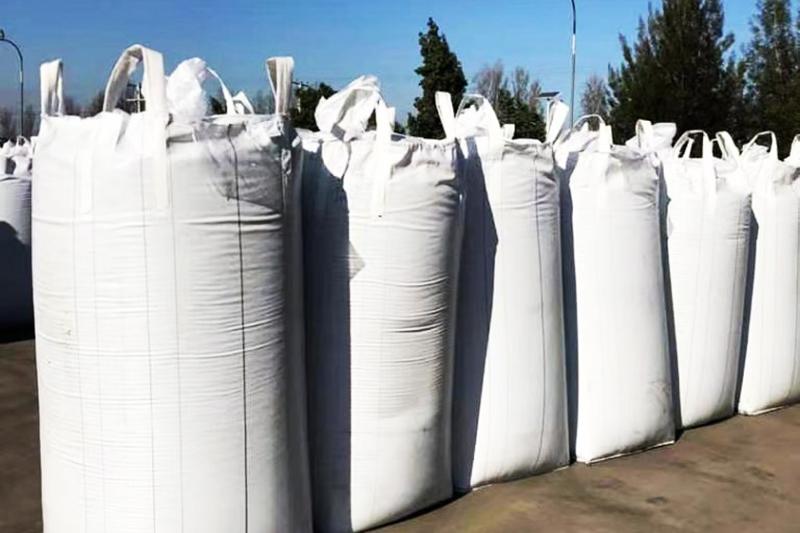 Understanding FIBC Bag Types:
Global FIBC Market Projected t
Understanding FIBC Bag Types:
Global FIBC Market Projected t