

Understanding FIBC Bag Types: Choosing the Right Bulk Bag for Your Application
Understanding FIBC Bag Types: Choosing the Right Bulk Bag for Your Application
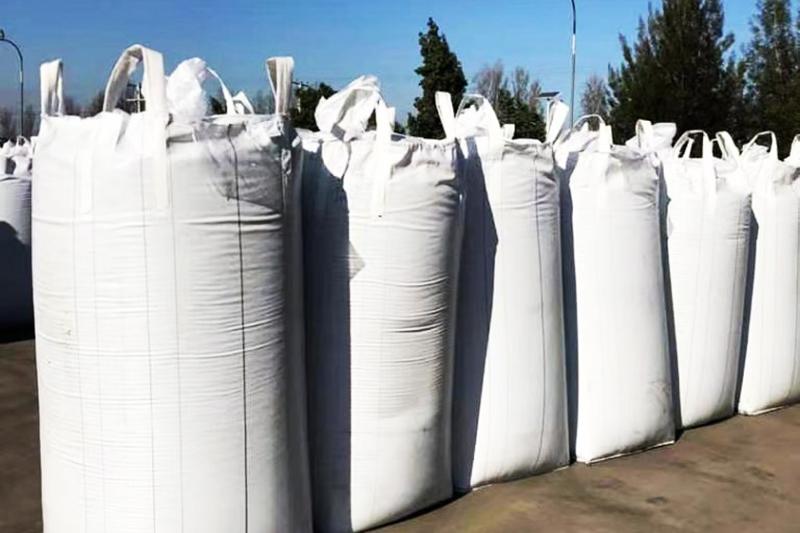
FIBC (Flexible Intermediate Bulk Containers), commonly known as jumbo bags or ton bags, are available in different types designed for specific applications. Understanding the differences is essential for ensuring safety, compliance, and cost-effectiveness.
Type A – Standard Bulk Bags
Type A FIBCs are made from non-conductive polypropylene fabric and do not provide any electrostatic protection. They are suitable for transporting non-flammable materials in environments where static electricity is not a concern. These bags account for approximately 44% of the market share and are commonly used for dry, non-hazardous materials such as grains, seeds, and plastic pellets.
Type B – Low Breakdown Voltage Bags
Type B bags are similar to Type A but are manufactured with materials that have a low breakdown voltage (less than 6kV). This prevents propagating brush discharges, making them suitable for transporting dry, combustible powders. However, they do not dissipate static charges and are not recommended for flammable environments.
Type C – Conductive Groundable Bags
Type C FIBCs are constructed with conductive yarns woven into the fabric, making them groundable. These bags must be properly grounded during filling and discharge to safely dissipate static charges. They are essential for handling combustible materials in environments where explosive atmospheres may exist.
Type D – Static Dissipative Bags
Type D bags are manufactured with static-dissipative materials that prevent hazardous static charges without requiring grounding. This makes them the fastest-growing segment in the market, as they offer static protection while reducing operational risks associated with grounding failure.
Choosing the Right Type
When selecting an FIBC type, consider the nature of your materials, the environment where the bags will be used, and applicable safety regulations. Consulting with a qualified manufacturer ensures you receive the correct certification and product design for your application.
Understanding UN Certification
For hazardous goods transport, UN certification is required. Recent regulatory updates emphasize rigorous stacking tests, drop resistance, and certification traceability. The ISO 21898:2024 standard now includes updated material aging requirements, including UV, xenon arc, and carbon arc light sources, as well as enhanced static protection testing per IEC 61340-4-4
 Essential Quality Tests for FI
Understanding FIBC Bag Types:
Essential Quality Tests for FI
Understanding FIBC Bag Types:
 Global FIBC Market Projected t